WFA provides core, sustainable, flexible funding and opportunities essential to supporting the leadership of women, girls, trans, and intersex people in realising their human rights and bringing transformative change from within their communities. In a little over two decade, WFA has disbursed more than USD 30.5 million to support more than 1,600 initiatives.
We fund organisations and individuals undertaking work for WGTI across 22 countries and territories in Asia.
Our Grants
Explore which WFA grant suits your needs.
Our priority areas that reflect courageous activists and strategic movements
WFA believes economic, social, cultural, civil, and political rights are interlinked and that organisations work on a continuum of rights violations and deprivation. We fully recognise that interventions happen at multiple levels and are crosscutting and intersectional.
Your Title Goes Here
Your content goes here. Edit or remove this text inline or in the module Content settings. You can also style every aspect of this content in the module Design settings and even apply custom CSS to this text in the module Advanced settings.
1. Strengthening Feminist Voices
Supporting and strengthening grassroots feminist leadership and movements has always been a priority for us. In the past, grants have supported institutional strengthening, capacity development for groups and their constituencies, grassroots mobilisation, campaigns, research, advocacy, and outreach.
2. Access to Justice
We support groups and individuals working on increasing women, girls, trans and intersex people’s access to justice, including raising legal awareness among communities, creating pathways and mechanisms for survivors to access lawyers and the judicial system, training women paralegals, supporting women lawyers, and others.
3. Autonomy, Decisions, and Sexual Rights
We support promotion of the right to sexuality, decision-making, and bodily autonomy of women, girls, trans and intersex people. Beginning with supporting work on child and forced marriage and young women’s leadership and choices, this priority area also grew to encompass groups working on LBT rights, abortion rights, and sexual and reproductive health and rights.
4. Movement and Labour
We support women, girls, trans, and intersex people’s right to safe migration, economic justice, and labour rights, with a particular focus on women working in vulnerable, informal, and stigmatized sectors such as sex work, garment factories, tea plantations, domestic work, and migrant labour.
5. Environmental Justice
We recognise the need for feminist leadership in resource management, disaster risk reduction and resilience, addressing climate change, and sustainable development. We support work aimed at securing women, girls, trans and intersex people’s rights over natural resources across a diversity of constituencies, including women with disabilities, women farmers, garment factory workers, and indigenous and Adivasi women.
6. Crisis and Changing Contexts
Through our newest thematic, we provide unrestricted, flexible support that enables our partners and their constituencies to respond to and recover from emergencies/crises in accordance to their contexts and needs.
Interventions related to addressing women, girls, trans, and intersex rights issues that are particularly relevant in the current context in the region, which are not covered by the five priority areas above are also welcome.
Programmes
Current Programmes
Strengthening Feminist Movements
CLOSED
The Strengthening Feminist Movements (SFM) programme is dedicated to supporting women, girls, trans and intersex rights activists and organisations working at the local, subnational, and national levels through core and flexible funding that can be used to cover institutional costs or to fill funding gaps based on their needs.
Leading from the South
CLOSED
Leading from the South is a special grantmaking initiative led by African Women’s Development Fund (AWDF), Fondos de Mujeres del Sur (FMS), the International Indigenous Women’s Forum (FIMI-AYNI) and WFA.
As a feminist resource alliance, LFS supports feminist activism and lobbying efforts by women, girls, and trans-led organisations, movements, and networks at the regional, national, and grassroots levels in the global South.
Kaagapay Solidarity Fund For Feminist Resilience
CLOSED
The Kaagapay Solidarity Fund for Feminist Resilience responds to the increasingly volatile context faced by women, girls, trans, intersex and other groups in Asia. We stand in solidarity with women, girls, trans, and intersex activists and groups living through complex emergencies and crises.
Application for Kaagapay grants is only open to WFA partners, and is strictly by invitation only.
Linking & Learning
CLOSED
Linking and Learning (L&L) grants are focused on individual activists and feminist groups to support their participation and engagement in global and regional advocacy, movement building, and networking spaces. In the last two years, we have focused on ensuring that the voices of feminist activists from the region are represented in global and regional spaces.
Legal Fellowship Programme
CLOSED
The Legal Fellowship Programme is aimed at promoting feminist lawyering in the region and enhancing the capacity of early and mid-career women, trans and intersex lawyers to advocate based on human rights principles. The goal is to establish a robust network of feminist lawyers in the region by empowering district-level lawyers at primary courts to spearhead the movement for access to justice from the grassroots level.
Bhoomi Youth Leadership Initiative
CLOSED
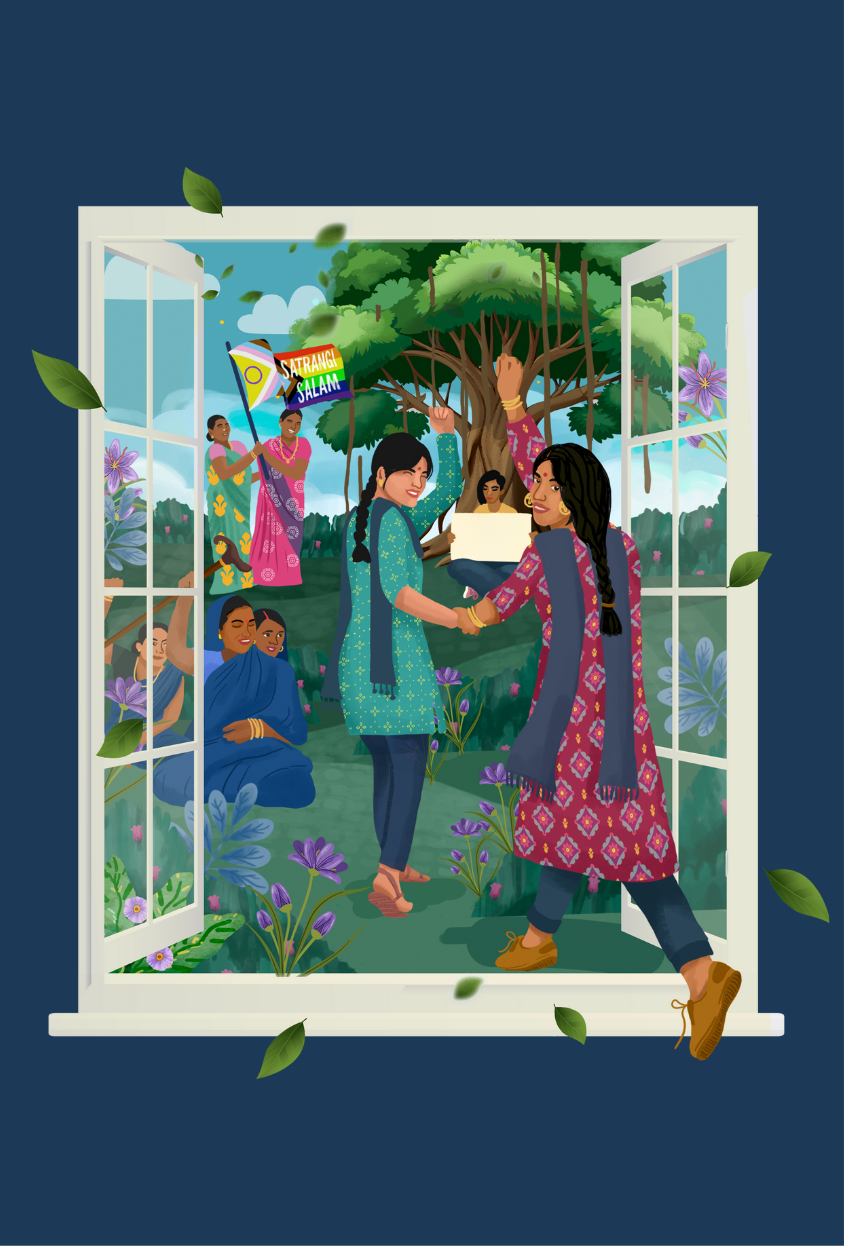
The Bhoomi Initiative is a partnership between the Foundation for a Just Society (FJS) and WFA, seeking to address the urgent need for developing and strengthening leadership and organisational skills among young people from South Asia’s most historically oppressed communities, particularly Dalit and Oppressed-Caste women and queer-transgender communities.
Hear from our Partners in Asia



THEMATIC AREA
Strengthening Feminist Voices
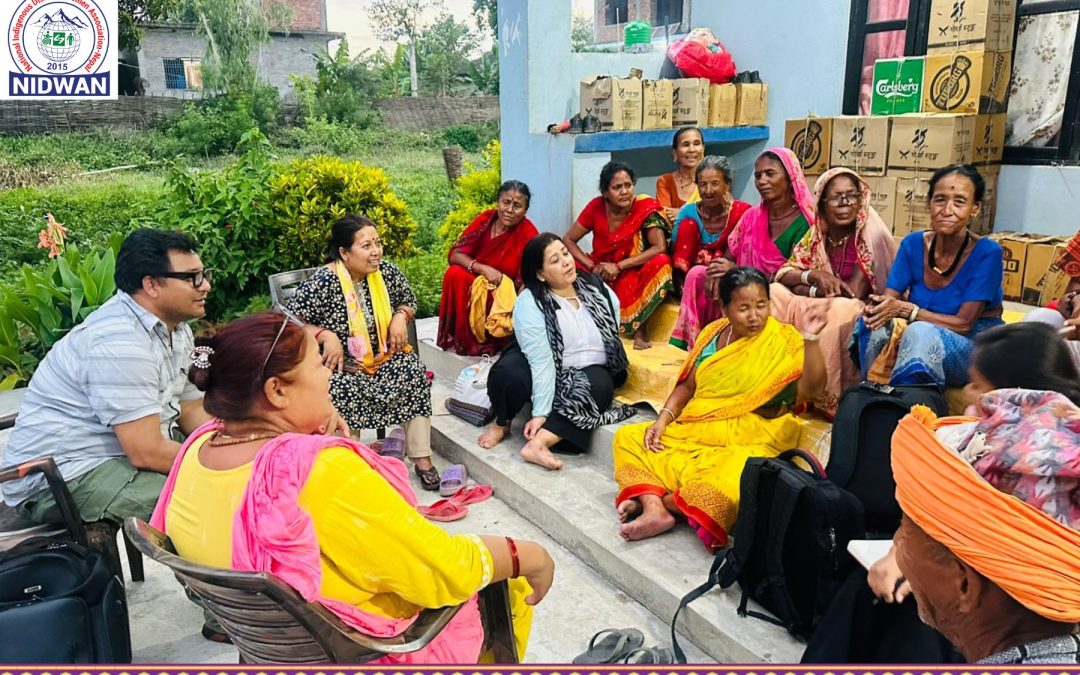
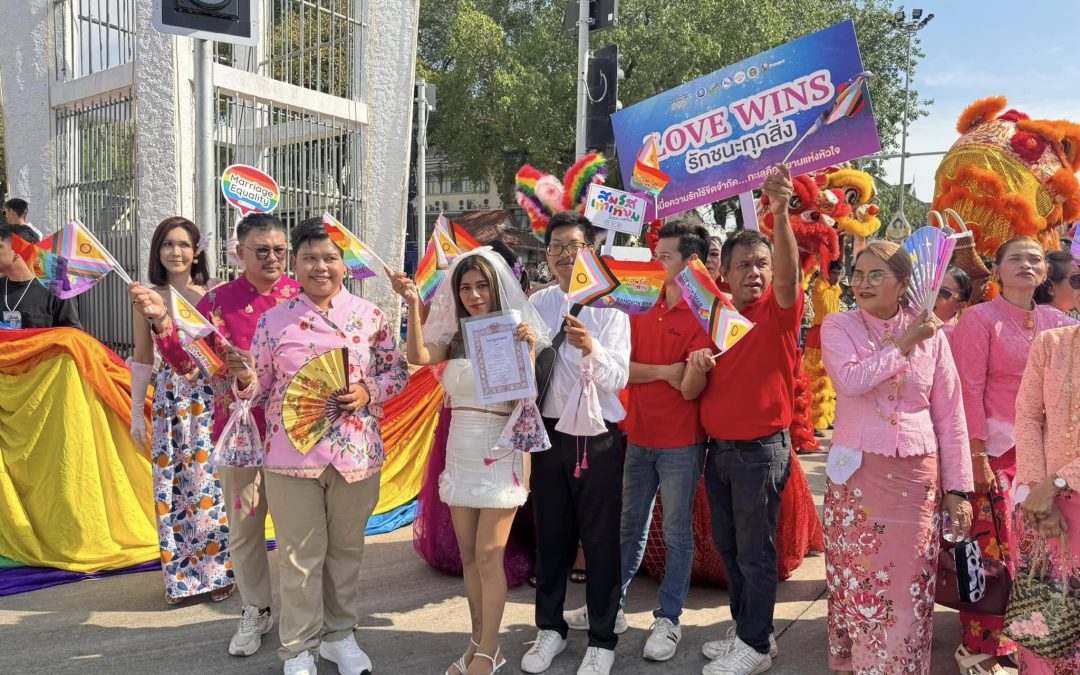
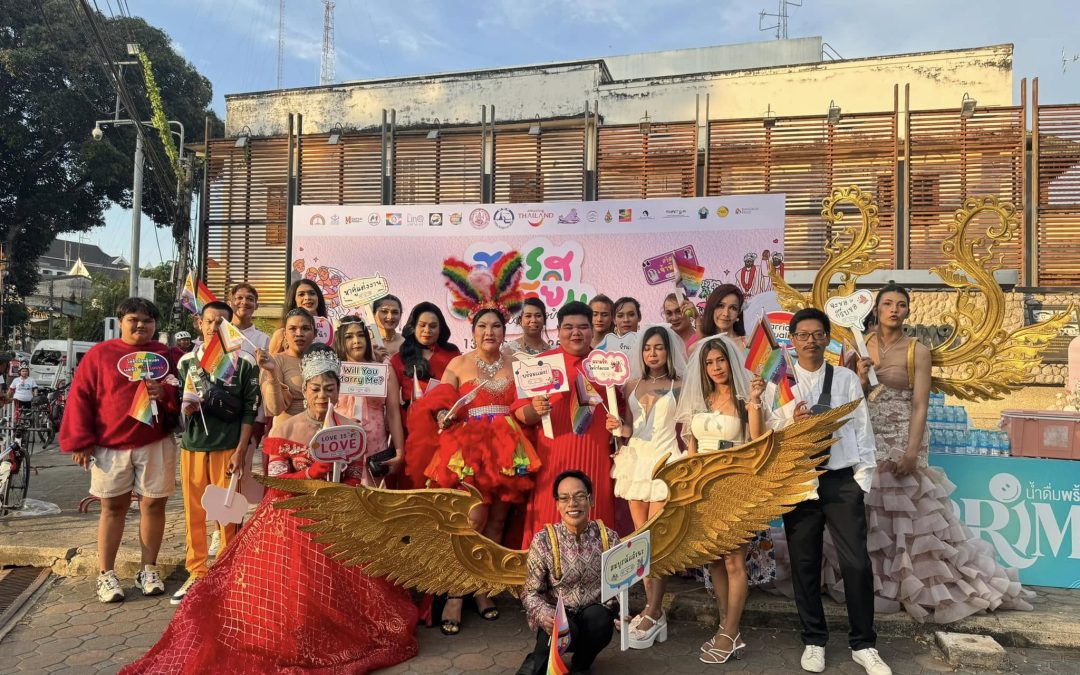
In Nepal, LGBTQIA persons face harassment, sexual violence and exclusion in their daily lives, due to oppressive heteronormative social norms. In this context, Unity for Change, an LBTQIA+ led organisation was supported through DFAT resourcing to create safe spaces for 53 transmen to share their diverse experiences and stories. These safe spaces created belongingness and peer support for the participants and also generated evidence of exclusion and challenges to advocate with policymakers and relevant stakeholders for inclusive laws and policy. For example in one session at Dhangadi in western Nepal, participants raised the discrimination faced by transmen seeking hormone therapy at public health institutions. The limited availability of knowledgeable healthcare professionals and the stigma surrounding transgender healthcare were cited as major barriers. The partner used the evidence built in the session to train 17 medical professionals in Bajhang on gender affirmative care and the needs of transmen seeking healthcare.
The partner also conducted two provincial level stakeholder consultations with municipal authorities in Dhangadi and Tillotama, a city in Lumbini province in western Nepal. The Tilottama municipal authorities committed to establishing space for LGBTQIA children in the admissions process at Shanti Namuna Higher Secondary School. They also committed to conducting a survey to identify LGBTQIA persons within their municipal limits and the issues they face. The Dhangadi municipality committed to allocating funds for increasing transmen’s access to municipal services.
THEMATIC AREA
Access to Justice
In India, victim-blaming, social humiliation, and apathy toward victims of SGBV are deeply ingrained societal issues. Although legal protections exist, many women lack access to rights-based information, safe and confidential reporting mechanisms, and supportive community networks. These gaps, combined with the pervasive fear of retaliation, often deter survivors from pursuing justice, perpetuating a cycle of injustice.
Over three years of sustained support, WFA’s grantee partner in rural Uttarakhand has engaged hundreds of marginalized women through a transformative legal empowerment program. Beginning with foundational yet comprehensive training on gender laws—including protections against domestic violence, workplace harassment, and marital rights, women gained the confidence to engage directly with the judiciary. The program expanded to address emerging threats like cybercrime and fostered women’s participation in governance. A major milestone was the creation of Women Forums, grassroots pressure groups that now serve as whistle-blowers, advocates, and safe spaces for survivors, actively linking communities to police, legal aid, and helplines. To complement these efforts, Legal Rights Handbook for Women and Government Schemes for Women—were developed and widely distributed. These resources are now being utilised in community training sessions, women’s networks, and self-help groups to sustain legal awareness and accessibility.
In total, the program has facilitated access to legal knowledge, awareness and community support for over 900 women through different rounds of training and forums. As a result, women survivors took on leadership roles, actively guiding other women in their communities to navigate government legal aid services and file formal complaints; this shift highlights both increased legal awareness and the emergence of sustainable, community-driven support systems for gender justice.
THEMATIC AREA
Autonomy, Decisions, and Sexual Rights
In Malaysia, open conversations about SRHR remain taboo. LFS II grantee partner Reproductive Rights Advocacy Alliance Malaysia (RRAAM) built a community of feminist youth champions, with each young activist championing SRHR within their own communities. The Youth Advocacy Institute of the organisation, which was set up to build youth leadership in advancing awareness and access to SRHR and services, trained 50 young activists on SRHR and leadership, deepening their understanding of activism in Malaysia. Among them, 10 were hired by RRAAM in their own programme and the other youth activists are leading conversations with their peers on SRHR in their own communities and on social media.

THEMATIC AREA
Movement and Labour
In Bangladesh, only 5% of women own land, and they are systematically dispossessed by discriminatory laws and gender norms. Coercion and fraud routinely steal families’ security, with women having no recourse or voice to resist.
Badabon Sangho recognises that this injustice demands both grassroots action and policy change. Since receiving their first WFA grant in 2019, they’ve built a comprehensive approach: providing practical training to navigate complex bureaucracies, building awareness on land rights, and mobilising women for collective action. Their strategy transformed individual vulnerability into collective power. Over three years, Badabon Sangho reached more than 14,000 women, girls, and trans people. They didn’t just educate—they organised, mobilising over 4,600 women from 11 districts to create the Women Land Rights Network.
This network became a force for legislative change. Through strategic advocacy, they helped shape the Land Crime Prevention and Remedy Act 2023—groundbreaking legislation that criminalises forced eviction and related crimes. The transformation goes beyond policy. Women who once feared speaking even at home, now lead public gatherings and advocate for others.
“Women who didn’t speak even inside the family are now speaking in public gatherings. They have built a movement that seeks not just land rights for women but greater economic justice. This is our biggest achievement,” says Badabon Sangho’s Chairperson.
THEMATIC AREA
Environmental Justice
In Indonesia, where a large dam project has displaced indigenous communities and increased their vulnerability to landslides and other disasters, a severe problem of water pollution has occurred due to river water around the dam’s construction area becoming polluted with excavated soil, creating an environmental risk for people who live in the surrounding areas. In this challenging context, WFA grantee partner Solidaritas Perempuan Mataram has created vital spaces for women from 5 villages most affected by water pollution to put their problems to policy makers such as village, district and provincial governments through a mechanism of regular public hearings. The partner also compiled Fact Sheets, which detail the larger impact of the dam construction and operation. This Fact Sheet was then put before representatives from the Health Office, the Environmental Service, the River Basin Agency and the construction company. The Fact Sheet was featured in mainstream and social media, bringing attention to these crucial environmental issues.
THEMATIC AREA
Crises and Changing Contexts
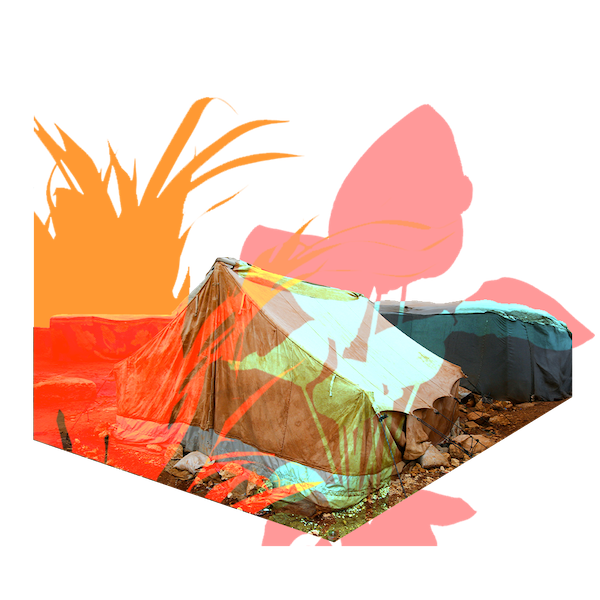
A grantee partner in the Philippines implemented critical intervention amidst a complex context marked by conflict, recurring natural disasters like Typhoon Paeng, and ongoing political tensions. The grant strengthened the institutional capacity of five emerging women’s organisations; with the main goal to improve the mental health and well-being of women survivors in various crisis situations. Safe spaces were created and prioritised through the psychosocial and self-care sessions for the five organisations; sessions on addressing trauma, stress management and worklife balance with over 100 women’s participation.This resulted in increased awareness of psychological self-care and renewed energy for organizational work, and revitalized relationships within their groups. Most significantly, each organisation established permanent ‘Committees on Mental Health and Well-Being’, three-member teams now leading implementation of customized action plans. To incorporate sustainable interventions like psychological first aid training, peer counselling networks, team-building activities, and alternative healthcare approaches, ensuring lasting mental health support structures within the communities. These efforts are now more responsive community-based initiatives, aligned with both partner needs and broader advocacy goals.
In 2020, Women’s Fund Asia Limited (WFAL) was registered as a not-for-profit company limited by guarantee in Australia with registration under the Australian Charities and Not for Profit Commission. WFAL is a subsidiary of WFA, and its operations are controlled by WFA. WFA is the sole member of the Company. The Executive Director of WFA serves as its Executive head, with the responsibility of making it fully operational in a way to serve the mandate of WFA.
Contact
info@wf-asia.org | grants@wf-asia.org
Power your inbox with the latest news and updates from Women's Fund Asia
Powered by Tyne Solutions
Artworks by Ann Mendis and Ladyfingers